Built for our winters
Permanent lighting in a Minnesota winter
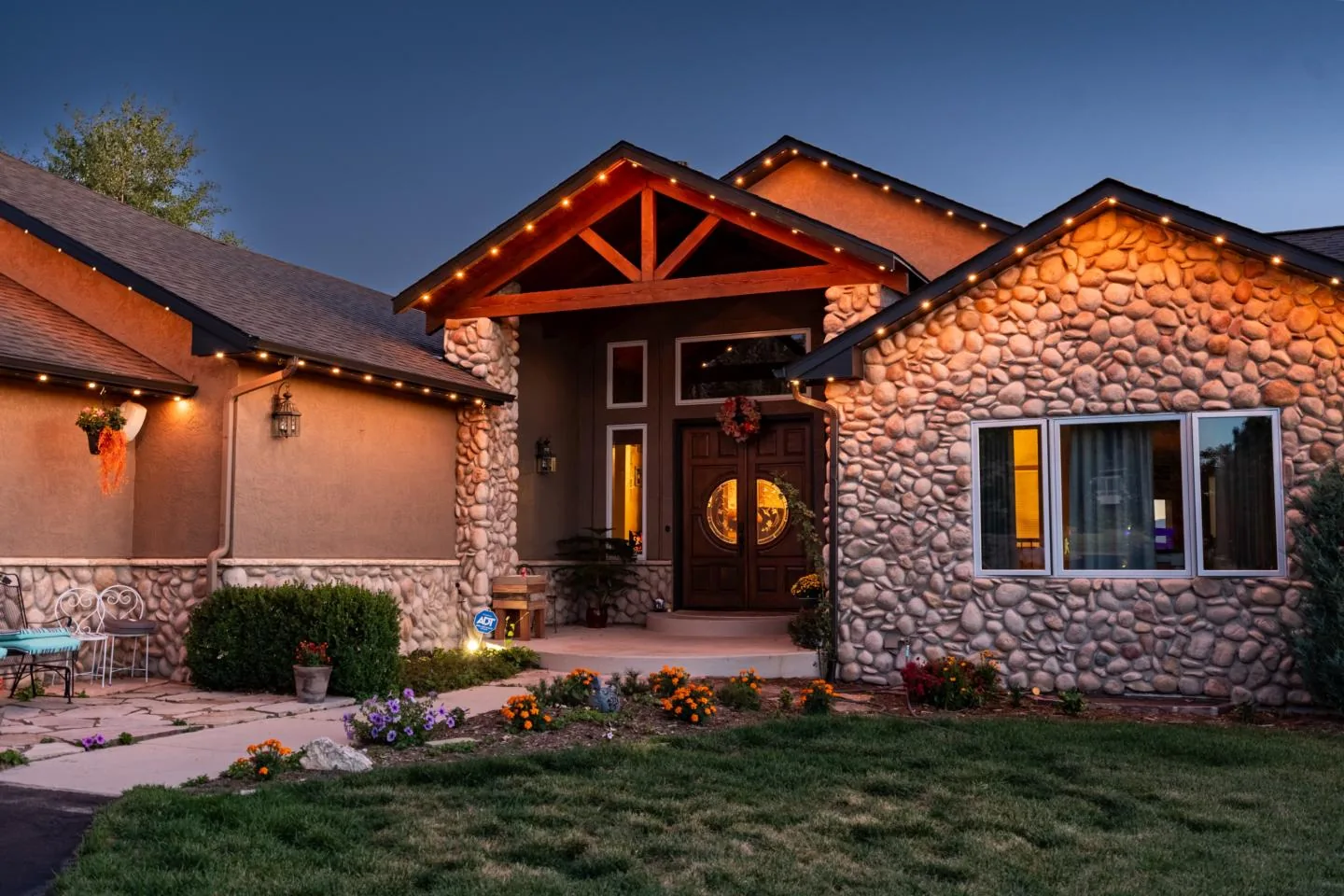
Yes, permanent outdoor lighting survives a Minnesota winter — a professionally installed system is built for it. The LED fixtures and the aluminum track are rated well below the coldest nights the Twin Cities throws at them, and LEDs actually run more efficiently in the cold. What fails up here isn't the lights; it's how they were attached. Tape-mounted DIY strips let go in January — a track that's screwed into the fascia and spaced for ice loading stays put through freeze-thaw, snow load, and wind.
What our winters actually do
Four stresses, and only one is the cold
Permanent lighting fails in Minnesota for reasons you can predict. None of them is the LED giving up in the cold.
Deep cold
Nights well below zero. Hard on cheap plastics and adhesives; the LEDs themselves shrug it off and run more efficiently.
Freeze-thaw
The metro swings across freezing dozens of times a winter. Anything glued on works loose; anything screwed down stays.
Ice dams & snow load
The track sits in the ice-dam zone under the roof edge. It has to be fastened and routed so meltwater and sliding snow have an out.
Summer storms
The other threat to a Midwest system isn't winter at all — it's lightning. Surge protection is what keeps a controller alive through August.
How we install so it lasts
The difference is in the fastening, not the box
Same fixtures a lot of companies sell. What separates a system that survives ten winters from one that comes down in the first thaw is how it goes on the house.
Screwed, not taped
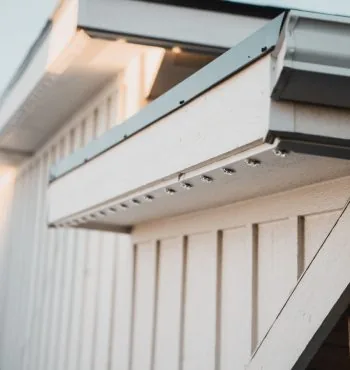
The aluminum track is mechanically fastened into the fascia and spaced for ice loading — the single biggest reason a system survives up here.
Room to move
We leave gaps for the metal to expand and contract through the seasons, so a cold snap doesn't buckle the run.
Ice-zone routing
Runs are placed so meltwater and sliding snow clear the fixtures instead of pooling on them.
Surge protection
Standard equipment, not an upsell — because summer lightning kills more controllers here than any January night.
Gasketed connections
Sealed connectors instead of the corrodible push-fits that fail on budget kits after a couple of thaws.
Local crew, real warranty
Multi-year coverage backed by the people who installed it — not a twelve-month box warranty and a national ticket queue.
Straight talk
Why the DIY kits fail here
Adhesive-mounted kits work fine in a mild climate. In the Twin Cities they fail for one boring reason: tape that grips at 80°F lets go at 10°F, and we spend four months a year well under that. Add freeze-thaw, corrodible connectors, and a controller sitting outside in a box that was never rated for it, and the failures stack up right around the holidays — exactly when you wanted the lights working.
If your strips didn't survive last winter, that's not bad luck — it's the climate doing what it does. A screwed-in, gasketed, surge-protected system is the version that holds. We take the old strips down as part of the install.
Want the full DIY-versus-professional breakdown? See the honest comparison.
Questions
Minnesota winters, answered
Does permanent lighting survive a Minnesota winter?
Yes — a professionally installed system is built for it. The LED fixtures and the aluminum track are rated well below the coldest nights the Twin Cities sees, and LEDs actually run more efficiently in the cold, not less. What fails up here isn't the lights; it's how they were attached. Adhesive-mounted DIY strips let go when the temperature drops because tape that grips in July gives up in January. We screw the track into the fascia and space the fasteners for ice loading, so it stays put through freeze-thaw, snow load, and wind.
What about ice dams and snow load on the roofline?
The track mounts under the roof edge — the same zone where ice dams form — so it has to be installed with that in mind. We fasten it mechanically with screws rather than glue, leave room for the aluminum to expand and contract through the seasons, and route it so meltwater and sliding snow have somewhere to go. A system that was stapled up in a hurry is the one that comes down with the first big thaw.
Do the lights get dimmer or fail in the cold?
No — LEDs are the opposite of old incandescent bulbs that way. They lose almost nothing to cold and often run a touch brighter and longer-lived at low temperatures. The real winter issues are mechanical (fastening and water) and electrical (surge protection against summer storms), not the diodes themselves.
Can you install permanent lighting in winter, or do I wait for spring?
We install year-round when the weather cooperates — a dry day above single digits is workable. The catch is that the roofline has to be clear enough to fasten to, so heavy snow or ice on the eaves can push a date. If you want lights up for the holidays, book the measure by early fall so the install lands before the roof is buried.
My DIY light strips failed last winter. Is a professional system really different?
If the idea worked for you but the hardware didn't survive, that's exactly the gap a professional system closes. The failures here are predictable: tape releases in the cold, cheap connectors corrode, and controllers left outside in an unrated box quit. A pro system is screwed into a color-matched aluminum track, uses gasketed connections, carries a multi-year warranty instead of twelve months, and comes with a local crew to call. We take the old strips down as part of the install.
Free design consultation
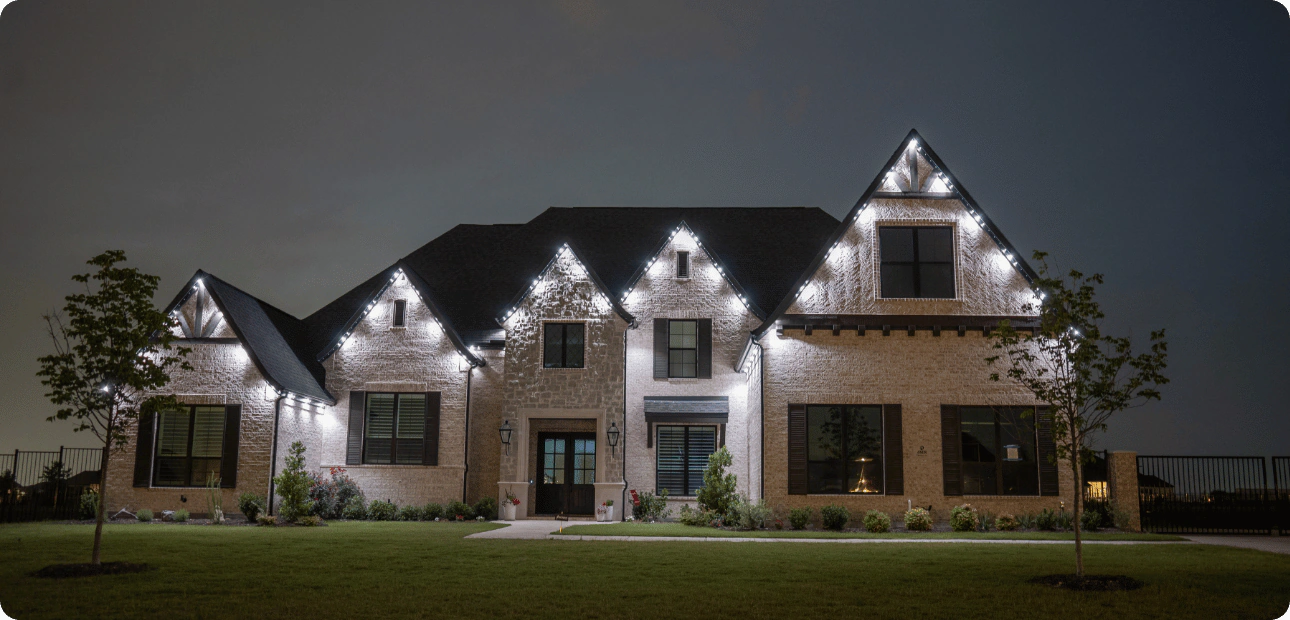
Let's see what your house looks like lit
We'll measure your roofline, show you the options, and give you a real number. No pressure, no all-night pitch.