Will Your HOA Approve Permanent Lighting? How to Ask, and What to Show Them
In most Twin Cities associations, yes — and the reason is that permanent lighting isn't what your board thinks it is when they first hear the words "Christmas lights."
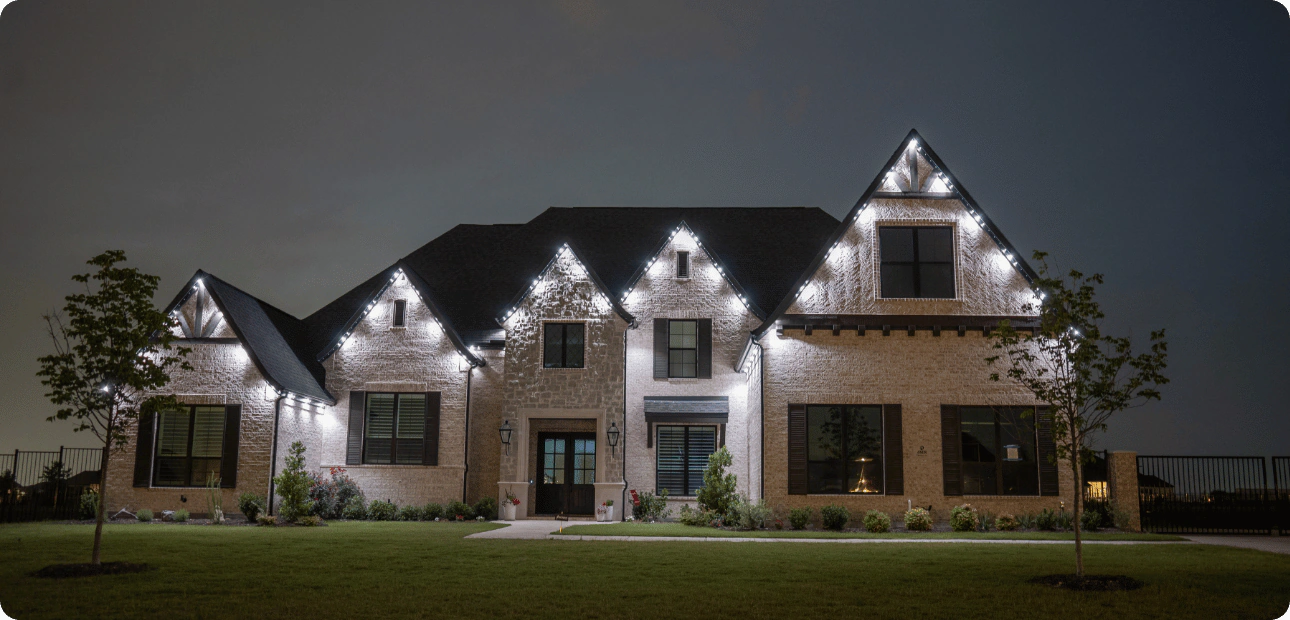
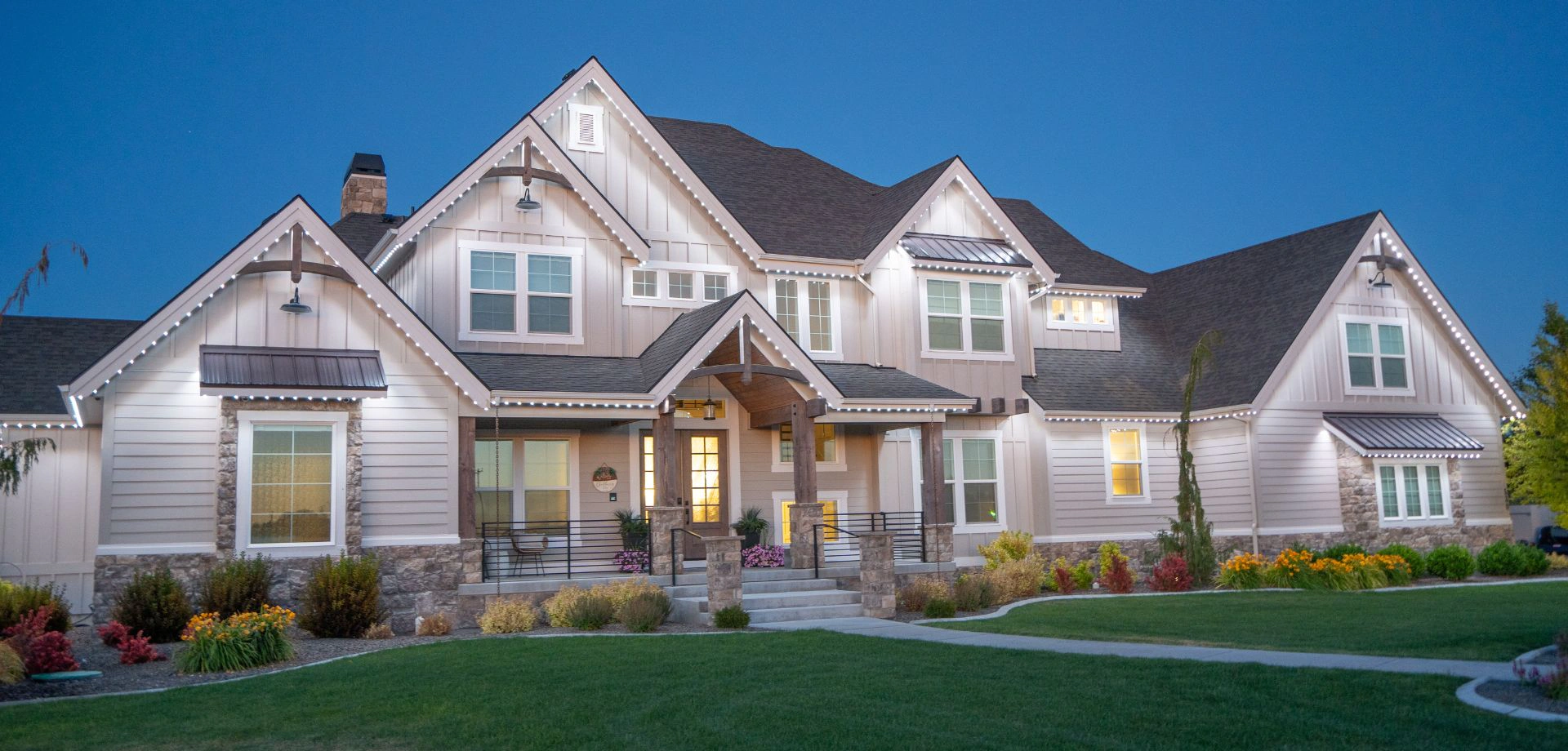
The mental image is a strand stapled to a roofline. What's actually being installed is a color-matched aluminum track that tucks under the roof edge and reads as a shadow line from the street. Once a board sees that, the conversation usually gets easy.
Here's how to run the request so it goes smoothly the first time.
The quick answer
Most Twin Cities HOAs approve permanent lighting because the daytime appearance — the thing covenants actually regulate — is a color-matched track that's nearly invisible from the street. The approval question is rarely about the lights themselves; it's about whether the hardware alters the home's exterior appearance, and whether the operation of the lights will violate a nuisance or seasonal-decoration clause. Submit a photo of the track in your trim color, the manufacturer's color-match documentation, and a written statement of how you'll operate it, and most architectural review committees approve without much discussion.
What your covenants are actually regulating
Read your documents before you write anything, and look for three specific things. They're usually not in the same section.
Exterior alteration / architectural review. This is the clause that requires approval for changes to the home's appearance. It's the one that applies. The relevant fact is that the track is color-matched to your fascia or soffit and hides all wiring.
Seasonal decoration clauses. Many associations limit when holiday decorations may be displayed — a common pattern is something like November 1 through mid-January. This is the clause that trips people up, because a permanent system is installed year-round even though it's only displaying holiday colors seasonally. The distinction you want to draw for the board: the hardware is permanent, the holiday display is not.
Nuisance / light trespass. Some documents include general language about lights that disturb neighbors. This is where a system with individually addressable fixtures and scheduling actually helps you — you can commit to specific behavior in writing.
Why the hardware clears most design reviews
The design argument is strong, and it's the manufacturers' main pitch, so there's published material to hand your board.
Every professional brand in this category color-matches the track. Gemstone publishes "over 150 track types and colors" with custom depth-matching to the home. Trimlight publishes more than 50 standard channel colors plus custom matching, and its channel is designed to "mimic a two-stage fascia." EverLights publishes 25 color-matching channel options and markets specifically to associations, noting that lights "housed in channels that match your home's exterior" don't "alter the look of your property or violate HOA guidelines."
The system we install is color-matched the same way, with three track profiles for different structures.
The practical result: from the street in daylight, a well-installed system reads as a slightly deeper shadow under the roof edge. Most homeowners tell us their neighbors don't notice until the lights come on — which, for an architectural review committee, is exactly the answer they're looking for.
One caveat worth being honest about. That invisibility depends entirely on installation quality. A track that wanders off the fascia line is a visible exterior alteration, and a board that's seen a bad install in the neighborhood will be harder to convince. This is another place where who does the install determines the outcome.
What to submit
Boards approve specifics and stall on vagueness. Give them a packet:
- A photo of the track in your actual trim color — not a generic brochure shot. Your installer should be able to provide or produce this.
- A daytime photo of an installed system, ideally on a home with similar trim.
- The color-match documentation from the manufacturer showing the track is matched to your fascia.
- Where the hardware mounts — under the roof edge, fastened to fascia or soffit, wiring concealed in the channel, no exterior conduit.
- A short statement of operation (see below).
- Confirmation that it's low voltage and plugs into an existing exterior outlet — no electrical work, no permit questions.
The operating statement — the part most people skip
This is what turns a "maybe" into a "yes," because it answers the fear behind the seasonal-decoration clause before anyone has to raise it.
Write two or three sentences committing to how you'll actually run it. Something like:
The system will display warm white lighting for everyday use, consistent with standard exterior architectural lighting. Holiday colors will be displayed only during the association's permitted seasonal decoration window. Lighting is scheduled to turn off automatically at [time], and no animation, flashing, or color-changing effects will run outside the seasonal window.
That's a real commitment and it costs you almost nothing, because it's how most people use these systems anyway. Warm white most nights, color for holidays and game days.
It also reframes the request. You're not asking to install Christmas lights permanently. You're asking to install architectural accent lighting that can also do holidays — which is an accurate description and a much easier approval.
If your association says no
A few things worth trying before you give up.
Ask which clause specifically. "No" is often "we haven't seen this before." A specific citation gives you something to address.
Offer a neighbor sightline walk. If a board member can stand in the street and not spot an installed system, that's more persuasive than any brochure.
Propose a trial or a conditional approval. Some boards will approve with conditions — no color outside the seasonal window, a fixed off-time — which is usually fine by you.
Ask about precedent. In a lot of associations, somebody already has one. If it was well installed, it's your best argument.
The one thing not to do
Don't install first and ask later. It's a permanent exterior alteration, and an association that makes you remove it will not care that it was expensive. Approval takes a few weeks at most in the associations we deal with. The fall booking window has room for that if you start the conversation in late summer.
If your board wants documentation for a review, get in touch — we'll put together what they're asking for. We'd rather spend an hour on a submission packet than have you fighting your association after install day.
About the author
Mike Smoot · Co-owner, Gray Duck Lighting
Mike Smoot co-owns Gray Duck Lighting and also owns Gray Duck Solar. He works across the Twin Cities metro and western Wisconsin.
Keep reading
When to Book Permanent Christmas Lights in Minnesota
August to early October is the right window for a Minnesota install — daylight and dry fascia, not fake urgency. What changes after Thanksgiving.
Permanent Lighting Warranties: What's Actually Covered
'Lifetime' warranties in permanent lighting have asterisks: daytime-use exclusions, 30-day registration deadlines, and labor that isn't covered. Quoted in full.
Are Permanent Christmas Lights Safe? What the Manufacturers Actually Publish
Permanent lights run on low-voltage 12V or 24V power. But only three of six brands publish any safety listing at all — here's exactly what each one says.